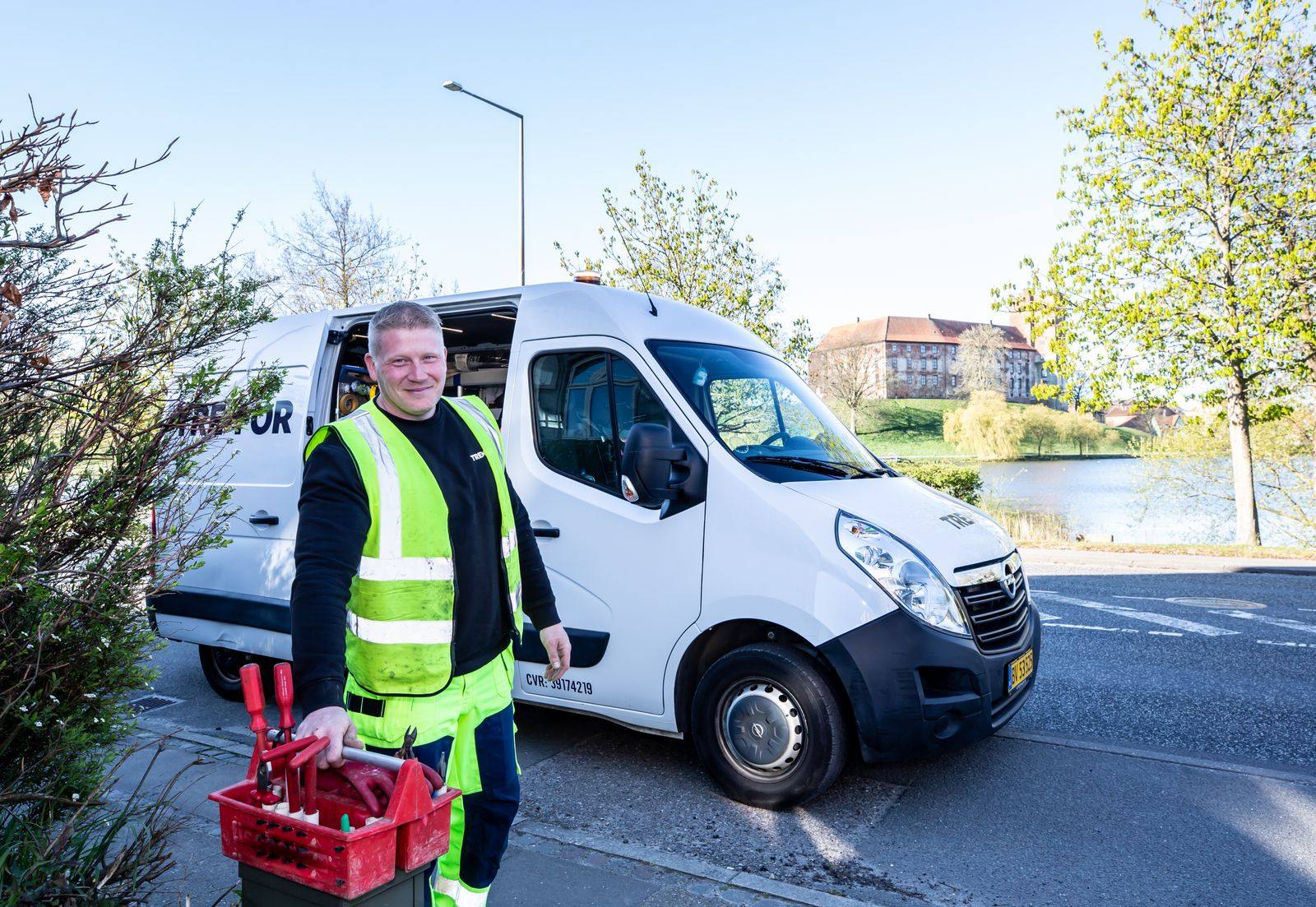
Tankless units are clever machines, and that is both their strength and their weak spot. Instead of keeping forty or fifty gallons hot around the clock, a tankless heater springs into action only when water starts moving: a flow sensor detects demand, the control board fires the burner or elements, and water is heated on its way through the heat exchanger. Every step is watched by a sensor, and if any reading drifts outside its expected range, the board shuts the heater off and displays a code. For Johnson City, TN homeowners, that usually traces back to a short list of causes: scale building up inside the heat exchanger, a sticking or dirty flow sensor, an ignition problem at the igniter or flame rod, or a venting or gas supply issue the unit reads as unsafe.
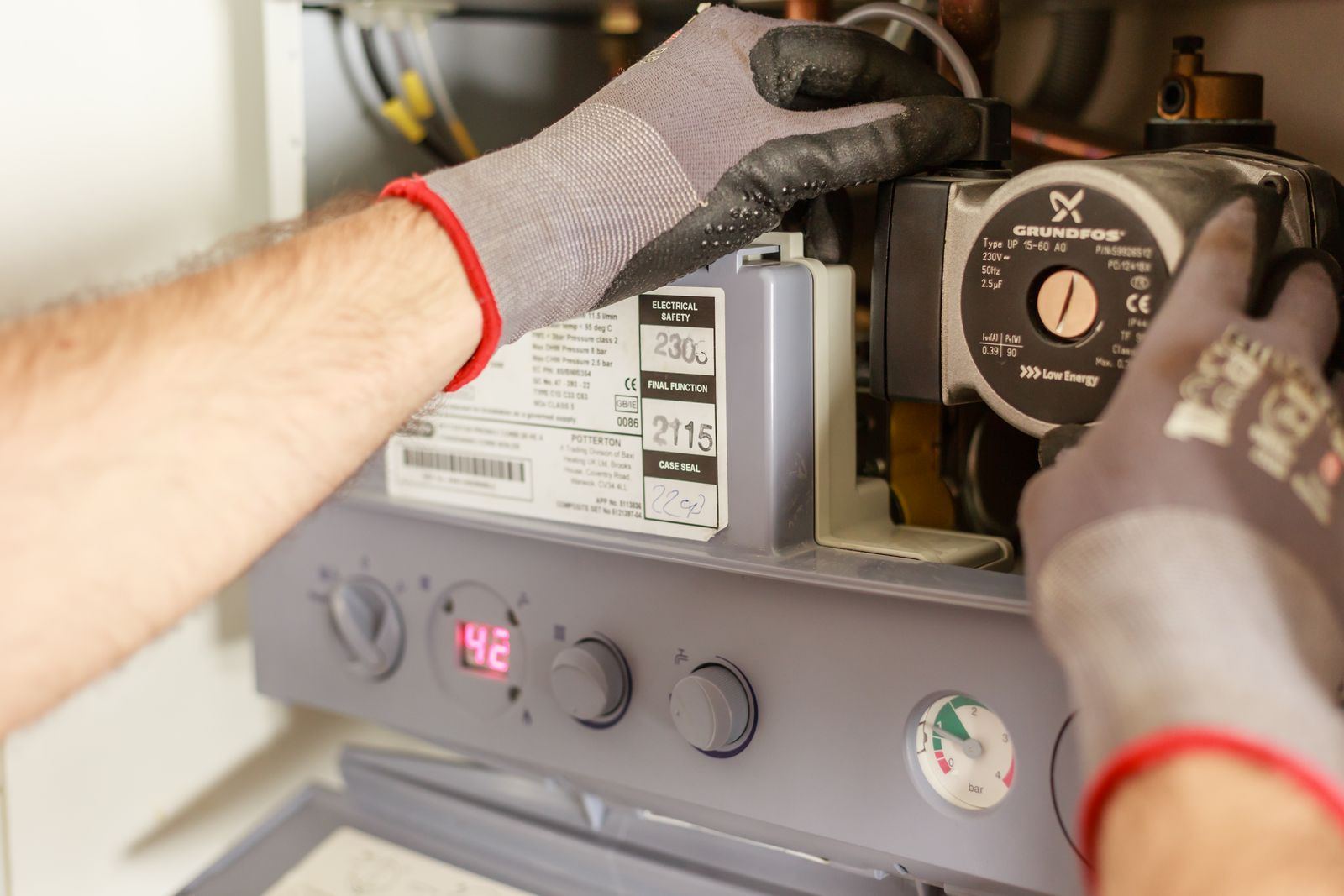
Johnson City Water Heater starts every tankless repair by reading the unit, not guessing at it. On every service call in Johnson City, we pull the active error code and the stored fault history, then test the components that code points to: flow sensor output while a faucet runs, flame rod signal in microamps, igniter resistance, inlet gas pressure both static and at full fire, and vent condition from the unit to the termination. Scale gets checked by comparing inlet and outlet temperatures against flow rate, since a heat exchanger that cannot transfer heat gives itself away in those numbers. Error codes narrow the search, but they rarely name the broken part outright. An ignition code, for example, can come from a worn igniter, a dirty flame rod, low gas pressure, or a blocked intake, and each one calls for a different fix.
We work on tankless heaters from Rinnai, Navien, Noritz, Rheem, Takagi, and the other major brands, gas-fired and electric alike. The fix depends on the diagnosis: a full descaling flush through the isolation valves when scale is choking the heat exchanger, a new flow sensor when the unit no longer notices a faucet opening, a fresh igniter or cleaned flame rod when ignition keeps failing, or a vent correction when the unit trips on combustion air. Sometimes the answer is bigger. A gas line undersized for the unit's full firing rate has to be upsized, and a heat exchanger cracked by years of scale may make replacement the smarter call on an older unit. We lay out every option honestly before any money is spent. Call (423) 427-2130 and a technician will be on the way.
What homeowners call us about most is Water Heater Repair in Johnson City. Start there if you're not sure what you need.
Symptoms That Mean It's Time to Call
Water heaters usually give plenty of warning before they fail, as long as you know what to look and listen for. If any of the following sound familiar, it's worth having the unit checked:
- Leaks under the unit or around its water connections
- Small draws, like a bathroom sink, that never trigger the heater
- A fault code on the front panel and no hot water
- Unusual noises from the cabinet, like a whine, a roar, or a rattle
- Water that swings between hot and lukewarm in the middle of a shower
- Temperature dropping sharply when a second shower or the dishwasher starts
- A clicking igniter with no flame, or a flame that lights and quickly drops out
- Cold slugs in the middle of hot water that last longer than before
Early Action Saves Money
Left alone, even minor symptoms like rumbling or temperatures that swing from hot to warm tend to mean the heater is working its way toward a breakdown. At the first hint of a problem, reach out to Johnson City Water Heater at (423) 427-2130 and we'll take a look.
Common Questions We Hear
Why This Job Calls for a Pro
There are two reasons tankless repair belongs with a professional: the diagnosis is tricky and the hazards are real. On the diagnostic side, an ignition code might mean a worn igniter, a dirty flame rod, low gas pressure, or a blocked intake, and replacing parts until the code clears adds up fast. On the safety side, a gas unit burns fuel at a very high rate and vents exhaust that contains carbon monoxide, while an electric unit can pull more than 100 amps through multiple 240-volt breakers. Errors with either type can be serious.
A trained technician with proper test equipment gets to the answer faster. Ours read the fault history, measure flame signal and igniter resistance, test flow sensor output, and check gas pressure under full load with a manometer, which is the only reliable way to catch a gas line that holds pressure at idle but sags when the burner ramps up. We descale with a circulating pump and the right solution, then flush thoroughly so nothing corrosive is left in your plumbing. Just as important, you get an honest opinion: if the heat exchanger is damaged on an older unit, we will say so before you spend money on a repair.
Step by Step: How a Visit Works
Good water heater work comes down to a consistent routine, and ours starts with a real diagnosis instead of a guess. Here's what you can expect when you choose Johnson City Water Heater:
Code & Fault History Review
A code points us in a direction, and testing finishes the job. Flow sensor output, flame signal, igniter resistance, inlet gas pressure, and vent condition all get checked before any part comes out of the box.
What We Found & What It Costs
We explain the fault in plain language and quote the job before touching a tool. When a repair no longer makes sense on an aging unit, you hear that from us directly.
Targeted Repair
One trip is usually all it takes: a descaling flush, a new flow sensor, igniter, or flame rod, a cleaned inlet screen, or a corrected vent connection.
Verified Temperature Rise
We never assume a fix worked. We test the unit at low flow and at full demand, confirm a steady outlet temperature, and verify that the code is cleared and stays cleared.
Not Sure What You Need?
Tell us the age, fuel type, and symptoms, and we'll help you sort out the next step.
Call (423) 427-2130 TodayTips to Keep Your Water Heater Healthy
Most of the failures we see could have been delayed for years with basic upkeep. Here's where to begin:
- Do not keep resetting a recurring code; note it and have it checked
- Consider a water softener or scale-reduction filter ahead of the heater if scale keeps returning
- Have the gas line evaluated whenever you add a range, dryer, or fireplace
- Clean the inlet water filter screen a few times a year so the flow sensor gets full flow
- Schedule a descaling flush every year; hard water may call for one every six months
- Leave the power on in cold weather, since freeze protection only runs when the unit has electricity
- Clear debris, snow, and dryer lint away from the vent and intake openings
Comparing DIY and Professional Work
Online videos may help in a pinch, yet lasting repairs and code-compliant installs depend on correct venting, proper relief valve discharge piping, and a trained technician. Here's how the two approaches stack up:
| Factor | DIY Attempt | Professional Service |
|---|---|---|
| Reading the Code | Look up the code and replace a guess | Each suspect part tested with a meter |
| Scale Removal | Partial flush that leaves scale behind | Pump-circulated flush through service valves |
| Gas & Venting | Gas pressure and vent joints unchecked | Manometer test at full fire, vent inspected |
| Board & Wiring | Risk of shorting the control board | Wiring and connectors tested safely |
| Replacement Parts | Generic parts that may not fit the model | Right part, installed once |
| Result | Code returns within weeks | Unit tested at low and high flow |
Talk to Our Tankless Water Heater Repair Team
Get your hot water back before a small fault turns into a flooded floor. Johnson City Water Heater is ready to respond fast.
Tap to Call (423) 427-2130Tankless Water Heater Repair Across the Johnson City Area
We bring tankless water heater repair to homes and businesses in town and across the nearby communities. Pick your area to see local details.